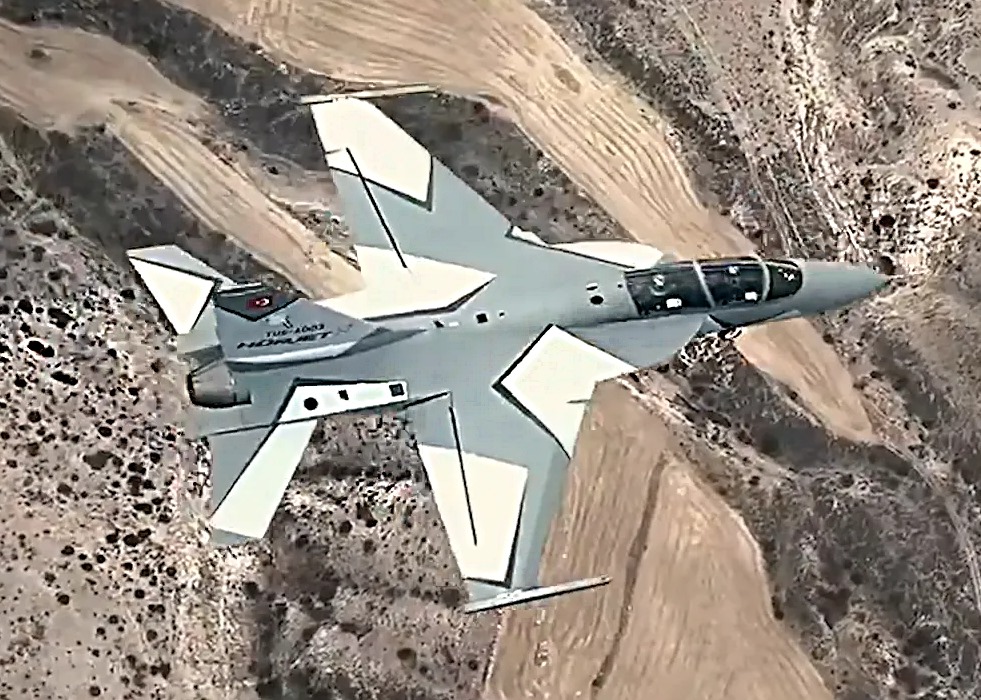
Hürjet’s second prototype aircraft was modified to accommodate new capabilities, bringing the Advanced Trainer/LCA closer to maturity.
The new specifications indicate that the Hürjet is a more “combat” aircraft than a trainer one. Its range was reduced, but the climb rate, payload capacity, and maximum sustained G increased. Some of the changes were observed from the maiden flight of the second prototype, which included a larger radome, wingtip hardpoints, and a modified air intake configuration.
TUSAŞ recently updated the technical specifications on its website.
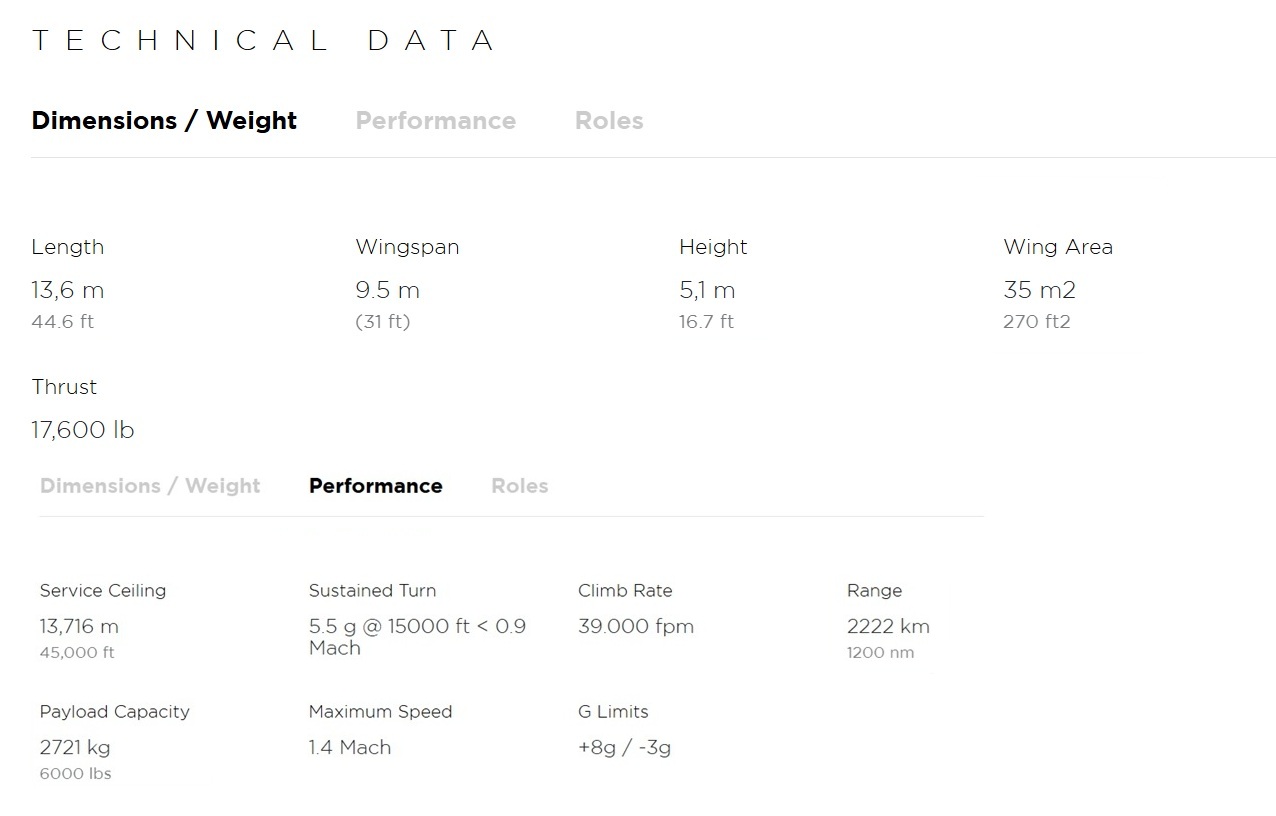
The wing area is reduced to 25 square meters, previously listed as 35 square meters. One effect of this design change is an increased climb rate, which is also specified as 48500 feet per minute, significantly more than the previous 39000 feet per minute. High climb rates are among the prime flight characteristics of combat aircraft.
In line with this, the sustained turn G limit has been increased to 6.3 G from 5.5 G. This will allow for sharper turns at either a smaller turn radius or higher speeds for the same radius.
The range is slightly shorter at 1060 nmi, from 1200 nmi. Considering Hürjet’s intended role as an Advanced Trainer/LCA, fuel volume might have been sacrificed to open space for new systems.
As expected, the payload capacity is 7500 lbs, 25 per cent larger than the former rating of 6000 lbs.
The re-designed radome has increased the length minimally, as it will accommodate the MURAD AESA radar from ASELSAN in LCA configuration.
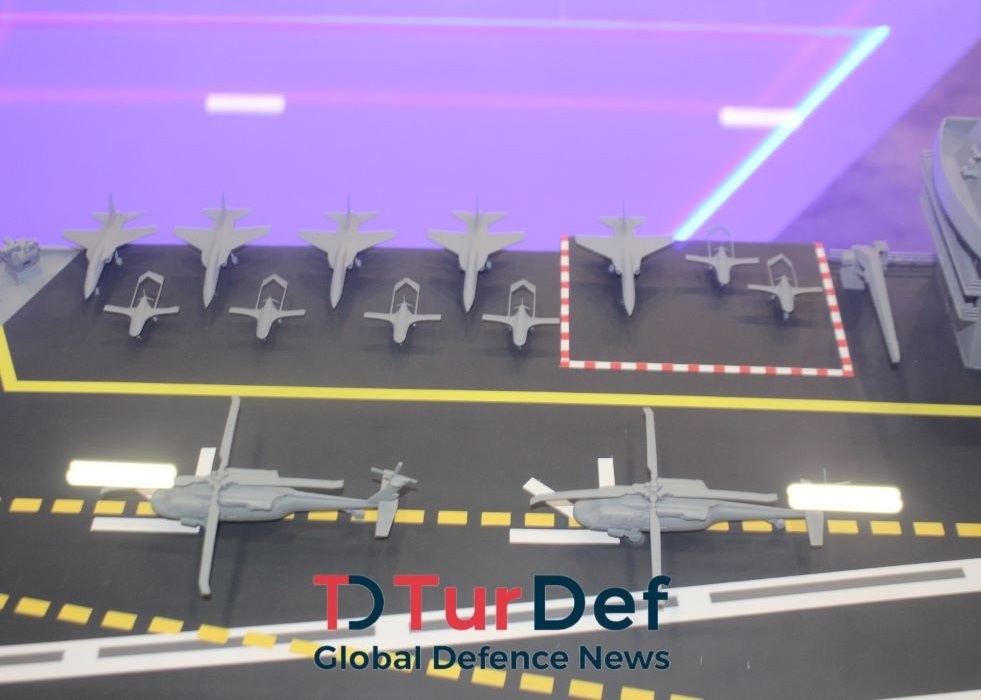
These changes point out that TUSAŞ is preparing for the armed configuration, with emphasis shifting on payloads and fighter-like flight performance. Characteristics closer to combat aircraft are needed for Hürjet’s combat use. Hürjet in LCA configuration is planned to perform close air support and air patrol missions. Also, a naval derivative of Hürjet capable of STOBAR operation is planned for the future MUGEM aircraft carrier.
As Hürjet’s design matures, new export opportunities are on the horizon. Making its debut on the export market by attending Malaysia’s LCA tender, in which KAI FA-50 was selected, Hürjet has received remarkable attention from Spain, which is desiring to replace its F-5 Trainers.
Important steps in the Spain journey include Hürjet’s demonstration flight in Spain and an agreement for cooperation announced by the Secretary of Defence Industries (SSB) Professor Haluk Görgün.
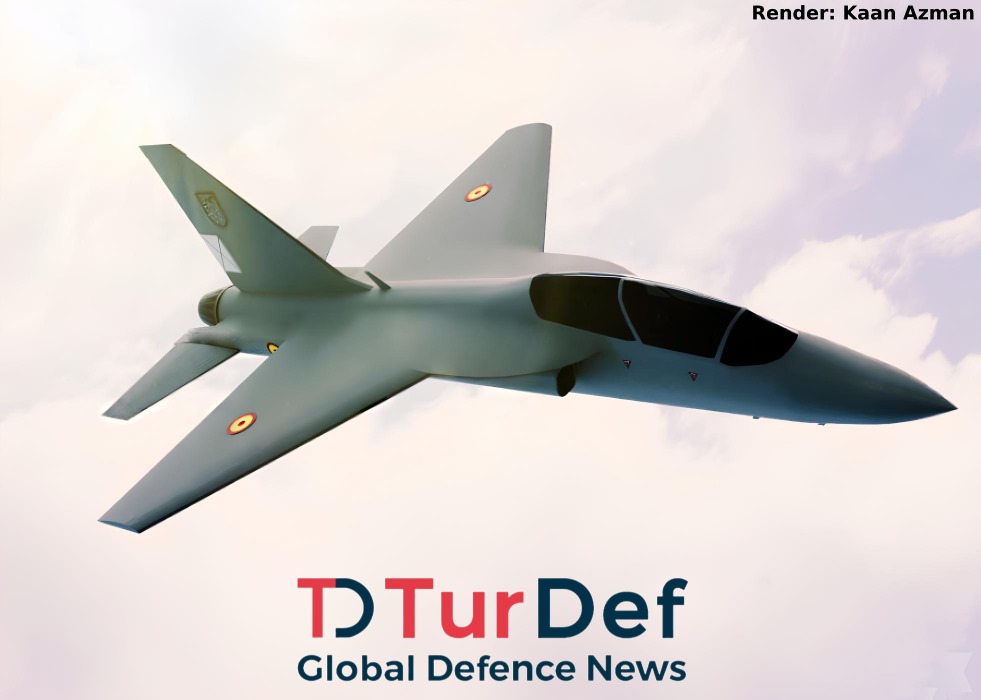
If Hürjet makes it to the Spanish Air and Space Force, it will be the first export and pave the way for further exports as a merit. This merit can be described as succeeding in a tender of a European country where other established platforms in the market, like M346 and T-50, are present despite being relatively new.
Advanced Trainer/LCA is a market with demand from various customers. Developed countries seek modern trainers to prepare their pilots for modern fighter jets like the F-35, Eurofighter, and Rafale, while less developed ones seek combat aircraft that can perform some of the fighter jet duties due to the fighter jet costs running rampant. Thus, Hürjet’s development as a trainer and an LCA is important for establishing standing in this growing market.
For domestic use, Hürjet will be the new face of the Turkish Air Force in various areas. In addition to replacing the modernised T-38 Talon (Arı) trainers, Hürjet is expected to replace the F-5s used by the Turkish Stars aerobatics team.