The UK has announced a major assessment of its military that involves building up to 12 nuclear-powered, conventionally armed submarines to replace the Royal Navy's ageing Astute class fleet starting in the late 2030s.
The UK government is increasing its defence spending and confirming its long-term commitment to nuclear deterrent and maritime dominance as tensions with Russia continue to affect European security policy.
Prime Minister Sir Keir Starmer confirmed the plan during a visit to BAE Systems’ shipyard in Govan, Glasgow, where he declared full confidence in delivering the £15 billion submarine programme within existing funding limits.
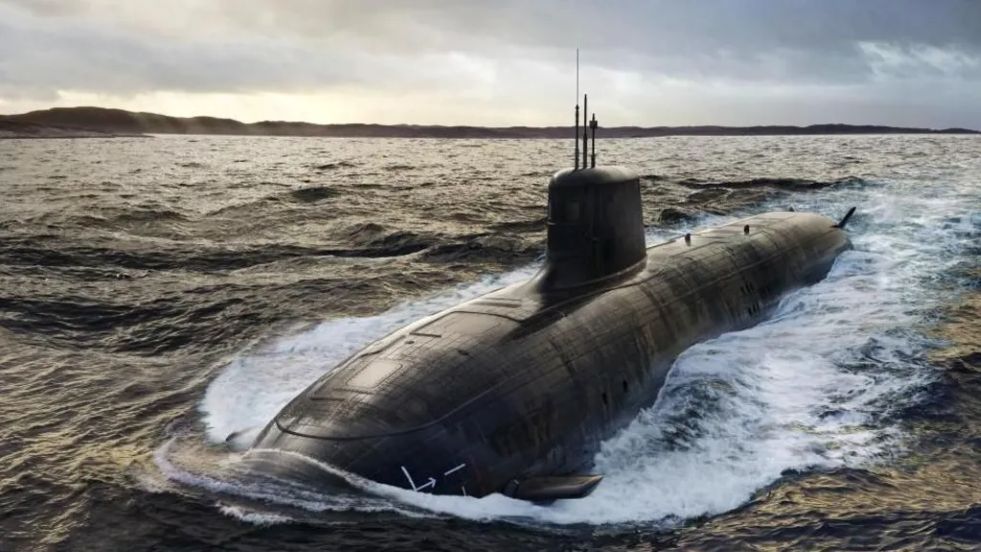
The SSN-AUKUS will take the place of the Astute-class in the 2030s
The SSN-AUKUS design will be the basis for the future submarine fleet. This design was created with Australia as part of the trilateral AUKUS agreement that was announced in 2021. These submarines will be propelled by nuclear energy and armed with regular torpedoes and cruise missiles. This makes them useful for both gathering intelligence and carrying out maritime strikes.
The new fleet will slowly take the place of the seven-vessel Astute class. The last one was launched in October 2024, and the last one is still being built. The Ministry of Defence (MoD) says that a new submarine should come off the assembly line every 18 months. BAE Systems' Barrow-in-Furness factory and Rolls-Royce's nuclear facility in Derby are both expanding their industrial capacity.
These submarines will not only help maritime task groups, but they will also protect the Royal Navy's Dreadnought class, which will replace the present Vanguard fleet as the UK's strategic nuclear deterrent in the early 2030s.
Defence review outlines £75bn in new investments
Led by former Labour Defence Secretary Lord Robertson, the newly published Strategic Defence Review includes 62 recommendations, all of which are expected to be accepted by the government. Key announcements include:
• £1.5bn to construct six new ammunition factories to ensure uninterrupted munitions production
• Production of up to 7,000 long-range weapons, including missiles and drones, for domestic use
• Establishment of a Cyber and Electromagnetic Command to bolster digital defence capabilities
• £1bn for accelerating tactical information delivery technologies
• £1.5bn for the renovation of military housing by 2029
While Labour has pledged to raise defence spending from 2.3% to 2.5% of GDP by 2027, political debate continues over when to reach the longer-term 3% target. The government maintains an ambition to achieve this by 2034, while the Conservative opposition argues for reaching the benchmark by the end of this decade. Liberal Democrats, meanwhile, criticise the timeline as "too late" and call for cross-party negotiations to bring it forward.
Strategic deterrence at the core of UK defence
The £15bn earmarked for upgrading the Trident warheads underscores the UK’s determination to maintain a continuous-at-sea nuclear deterrent. The MoD’s Defence Nuclear Enterprise already constitutes 20% of the overall defence budget and includes the four Dreadnought-class submarines now under construction.
Sir Keir reaffirmed Labour’s manifesto commitment to complete the Dreadnought programme on schedule. However, Defence Secretary John Healey has indicated no plans to increase Army headcount before the next election, instead focusing on restoring full-time soldier strength to 73,000 in the next parliamentary term.
With SSN-AUKUS submarines, long-range strike capabilities, and nuclear infrastructure at the heart of UK strategic posture, the defence review marks a comprehensive pivot toward preparedness in an era of revived great power competition.
Author: Özgür Ekşi