The US Army’s 2nd Cavalry Regiment in Germany will soon deploy the sensor-activated XM204 anti-tank mines, utilising an EFP penetrator for top-down attacks.
The US Army is adding a new option for area denial against armoured vehicles in addition to conventional mines with the XM204, which is triggered and inflicts the damage remotely, whereas conventional anti-tank mines require an intersection. It was announced that the LRIP of XM204 was approved last week, with deployment scheduled for the 2nd Cavalry Regiment located in Germany.
XM204 is manually placed and set up by personnel as a single unit or a group, depending on requirements. The all-up round consists of a launching unit with its own sensors (Acoustic+Radar+Seismic) for the initial detection and four top-attack munitions.

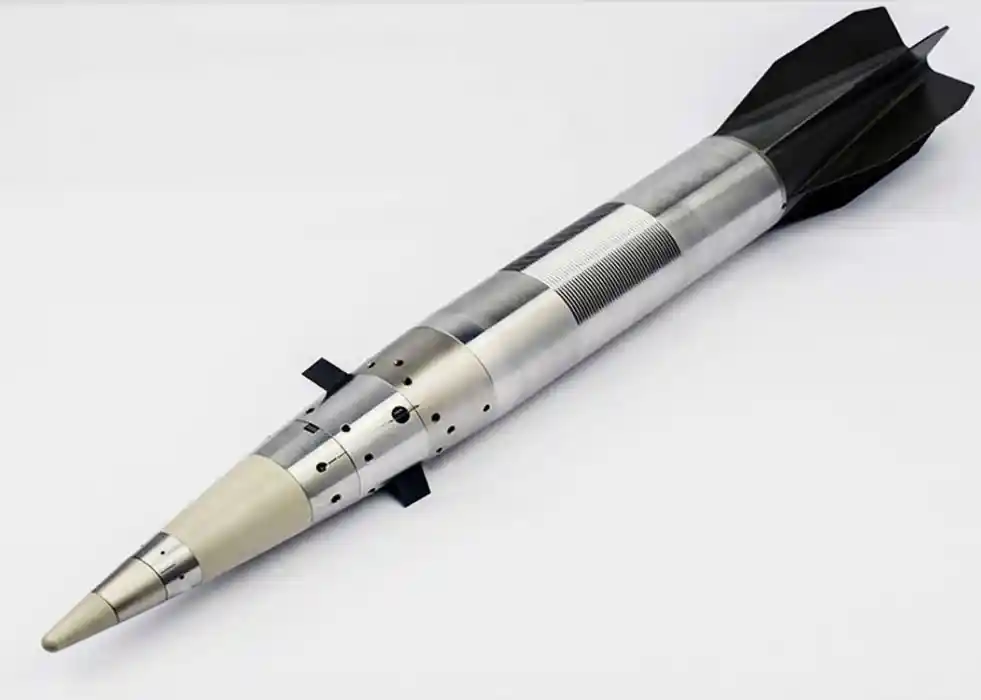
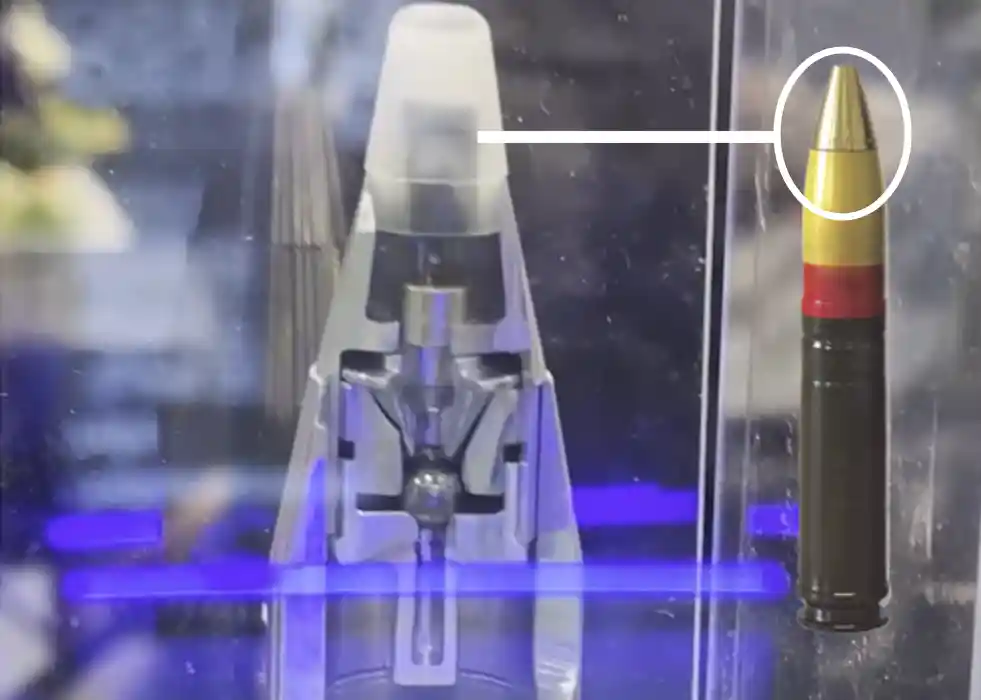
When a vehicle is detected within a 50 m radius, the launcher shoots the munition upward, which uses its onboard IR sensor to pinpoint the location. For the effect, the munition aligns itself to shoot an explosively-formed penetrator (EFP) at the thin-armoured top section. It can be said that XM204’s munitions operate on the same principle as anti-armour submunitions used in bombs and artillery rockets.
Another alternative anti-armour mine that has been deployed recently is the German PARM off-route mine, which is placed on the sides of a route to be used by enemy vehicles. The mine launches a rocket using a shaped charge warhead up to a range of 100+ m to strike the sides, which are less armoured compared to the front. Using a far simpler mechanism compared to XM204, PARM is activated by the vehicle damaging a fibre-optic cable on the road.
Author: Kaan Azman
Editor: Özgür Ekşi