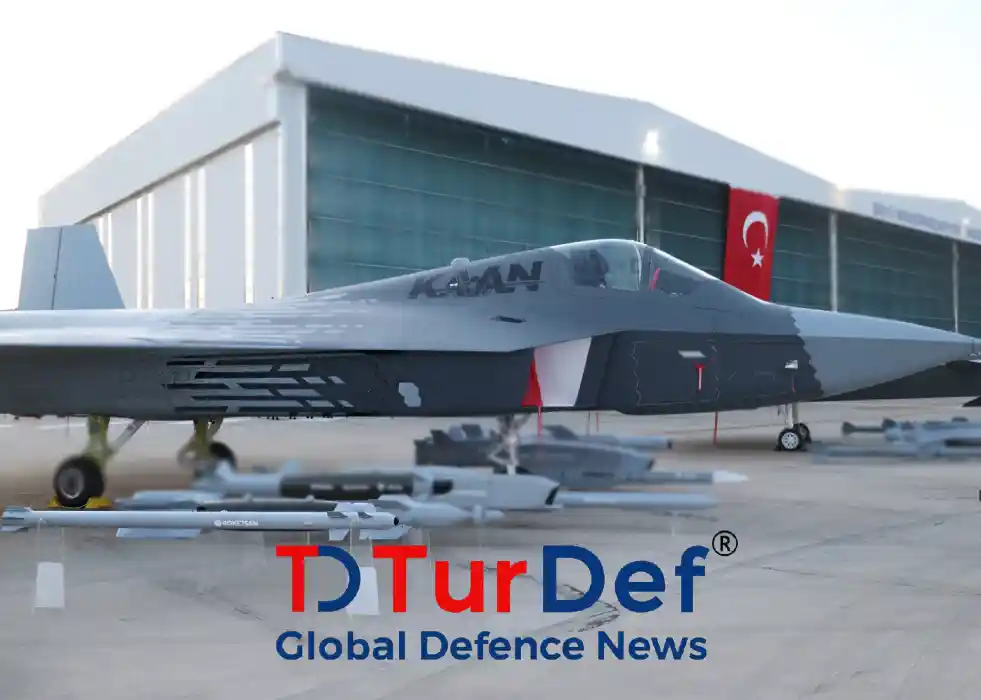
TUSAŞ CEO affirms Indonesia’s firm commitment to 48 KAAN jets, rejects scepticism and highlights Turkiye’s aerospace readiness and strategic trust gains.
TUSAŞ CEO Dr. Mehmet Demiroğlu dismissed scepticism regarding Indonesia’s recent KAAN jet purchase, confirming that the deal for 48 aircraft is not merely symbolic. “It is an order, but one that will be finalised in the next couple of months because there are some technical requirements that we need to finalise,” he said during a press conference at the Paris Air Show on June 17.
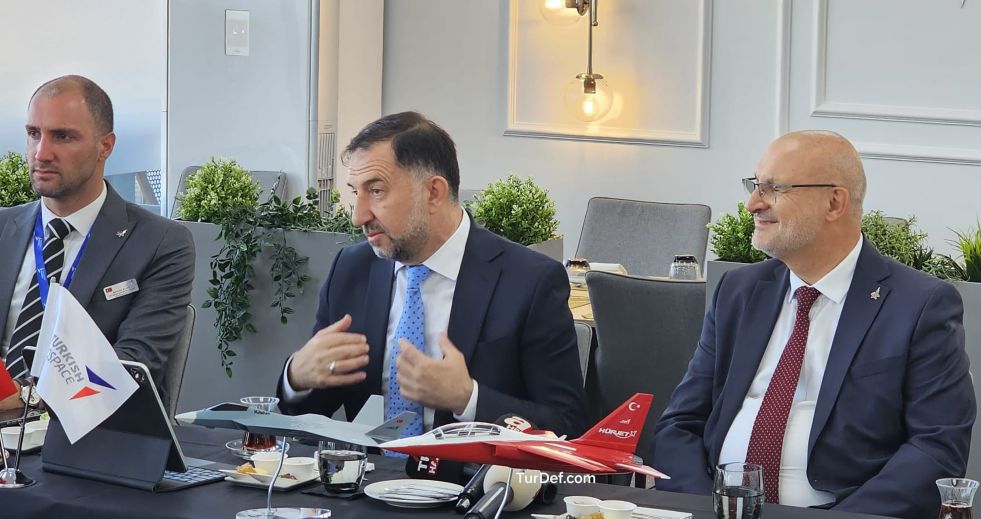
Speaking just a week after signing the agreement with Jakarta, Demiroğlu clarified that the accord is not a mere memorandum of understanding. “From an ordering point of view, and from decision-making point of view, that is, we can say it is done.”
He underlined that Indonesia’s decision to join the programme demonstrated significant trust in Turkish Aerospace. “We are taking it as trust for us, for Turkiye, for Turkish Aerospace and for KAAN, because what we have done in the past tells them that they can trust us,” he stated.
He confirmed Indonesia’s goal of receiving the jets in the agreed configuration and on schedule. “Our teams are currently working on the technical details in Indonesia. We aim to officially activate the agreement in the coming days and begin deliveries at the dates and configurations they request,” he added.
Demiroğlu stated the partnership would involve aerospace technology transfer, knowledge-sharing, and local production cooperation. He also confirmed Saudi Arabia’s interest and hinted that another regional country could join the programme soon: “This year, or early next year, we will hear something as big as Indonesia from nearby countries.”
Demiroğlu revealed that six KAAN prototypes will be built, with the first flight (P1) scheduled for Q1 2026, P2 for Q2 2026, and P3 in early 2027. These will “fly like crazy” to accelerate testing and ensure delivery to the Turkish Air Force of the initial Block 10 configuration by the end of 2028. He noted that the Block 10 aircraft will initially operate with a limited performance envelope.
On Europe’s defence industrial awakening, he noted: “Europe has significantly increased its defence spending, and Turkiye is well prepared. We have the infrastructure and product range to meet our own needs and support allies.”
Turkiye, he said, has strong positioning in Europe’s defence procurement vision. “Europe tends to prioritise its internal market, and Turkiye is among the candidate countries with many industrial presences in the EU,” he explained. He cited collaborations with Airbus and Leonardo’s helicopter division as examples of Europe-Turkiye synergy.
Asked whether TUSAŞ has formal cooperation with Baykar, Demiroğlu replied: “We cooperate, but not formally — and it doesn't have to be. Our platforms complement each other.”
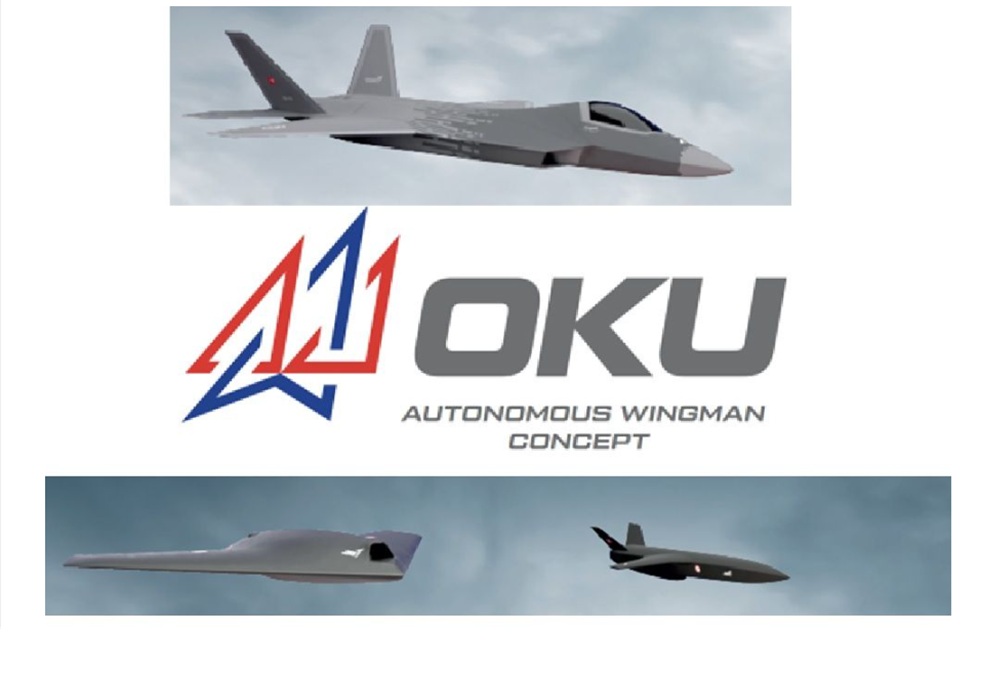
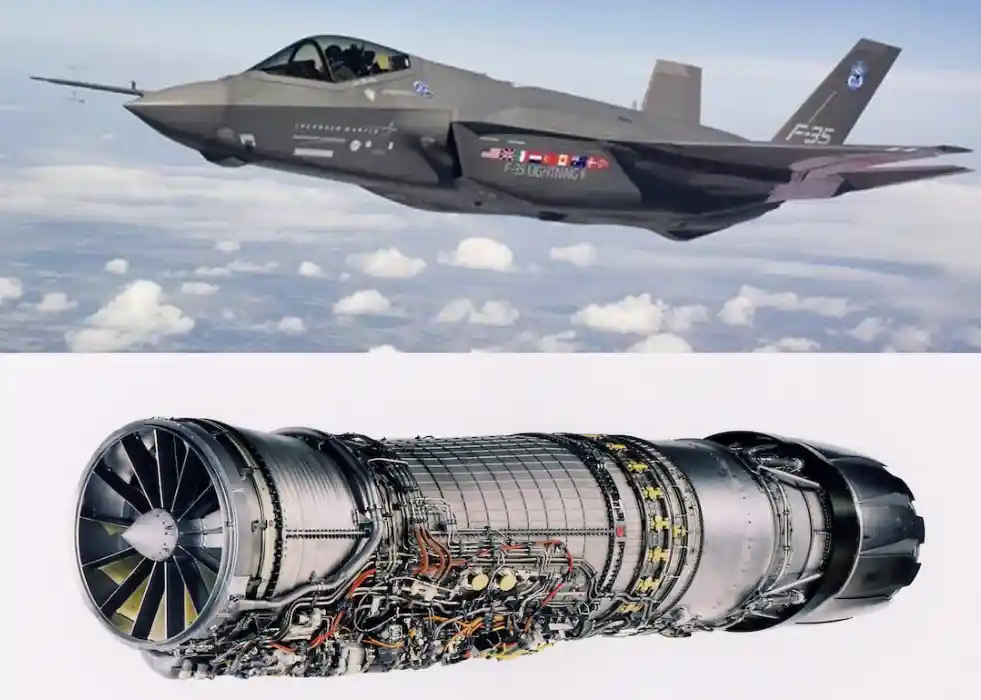
Responding to comparisons with the F-35, he said KAAN is designed according to future battlefield needs such as with side-mounted radars and a focus on manned-unmanned teaming (MUM-T). He pointed to U.S. export control issues and limitations such as kill switches on aircraft. He stressed that logistic support and price matter too.
Regarding the lack of progress on Egypt’s Hürjet interest despite flight demonstrations, he said the reception was positive but slower than hoped: “It’s not moving as fast as Hürjet.” He added that the focus with Hürjet now is to expand interest beyond Spain to Latin America and other NATO countries. Two prototypes are still flying, and production is ongoing, he said.
Meanwhile, Demiroğlu painted a bleak picture for the stalled T-70 Black Hawk helicopter programme. Sanctions imposed under CAATSA have blocked kit transfers for 71 remaining helicopters, with only 38 delivered so far. “There is movement, but not forward. It is up and down,” he said.
Author: Özgür Ekşi