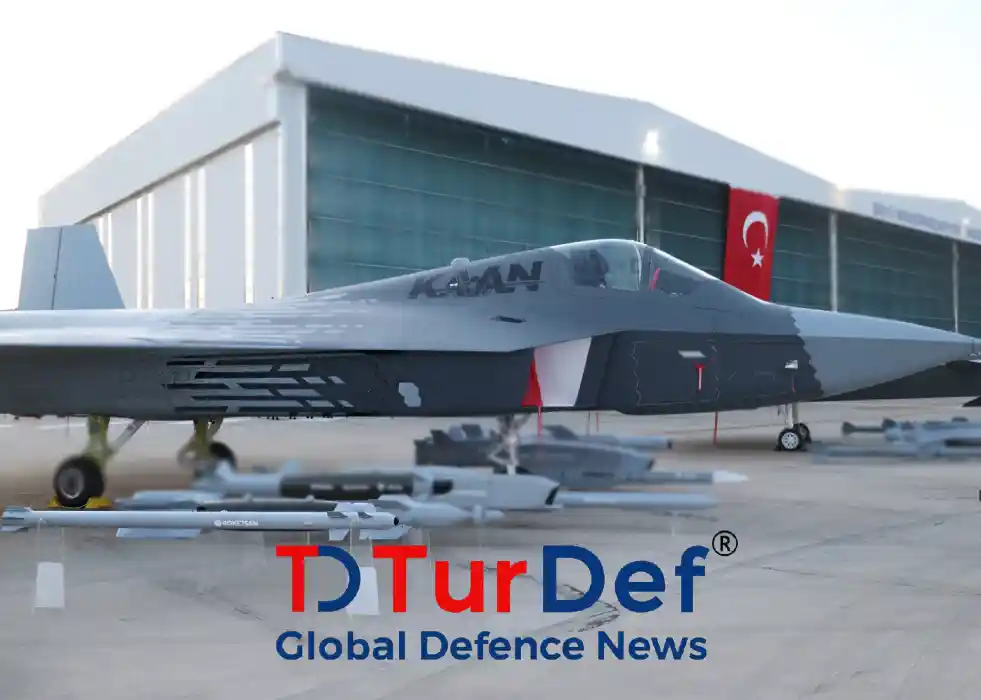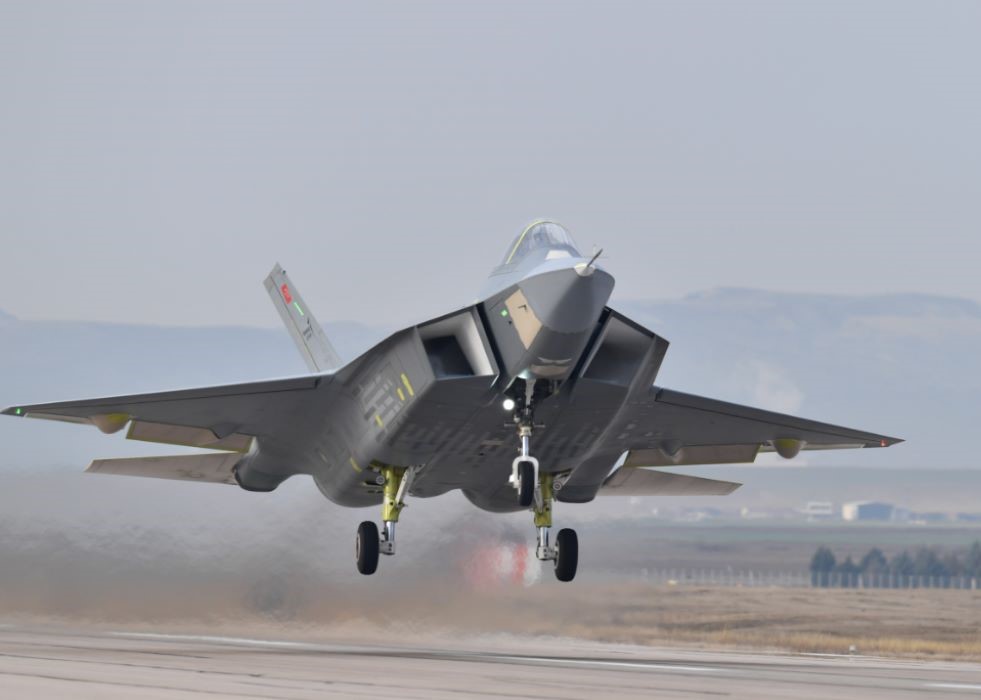
Indonesia’s public conversation around the KAAN fighter — including repeated references to Jakarta proceeding “only if the aircraft is free of U.S. components” — has opened a debate on export controls, supply-chain resilience and long-term configuration planning. At the same time, the way some claims circulate risks creating ambiguity about how the Türkiye–Indonesia arrangement is structured to evolve over time.
The recent wave of commentary was catalysed by a 24 January 2026 article published by the Brazil-based outlet cavoc.com.br, which argued that Indonesia would only move forward with KAAN if the aircraft avoids U.S.-controlled components that could fall under ITAR restrictions. This argument was echoed by Ukraine based outlet Militarnyi on the day after, on 25 January 2026. This proposal only partially aligns with Türkiye's previously stated direction for KAAN: a progressive decrease in dependence on externally managed vital subsystems, as opposed to a sudden disruption in configuration.
Indonesian-language media picked up on that framing, with ZONAJAKARTA being the most obvious example. It reinforced the ITAR argument and turned it into a bigger warning that export-control leverage can harm many fighter programs that use U.S. subsystems. ZONAJAKARTA's choice to add KF-21 Boramae is analytically useful since it puts KAAN in a bigger picture.
A key structural detail, however, often fades from view. Indonesia has already signed an agreement covering 48 KAAN aircraft, with reporting consistently pointing to a phased delivery plan spread over roughly 10 years, or 120 months.

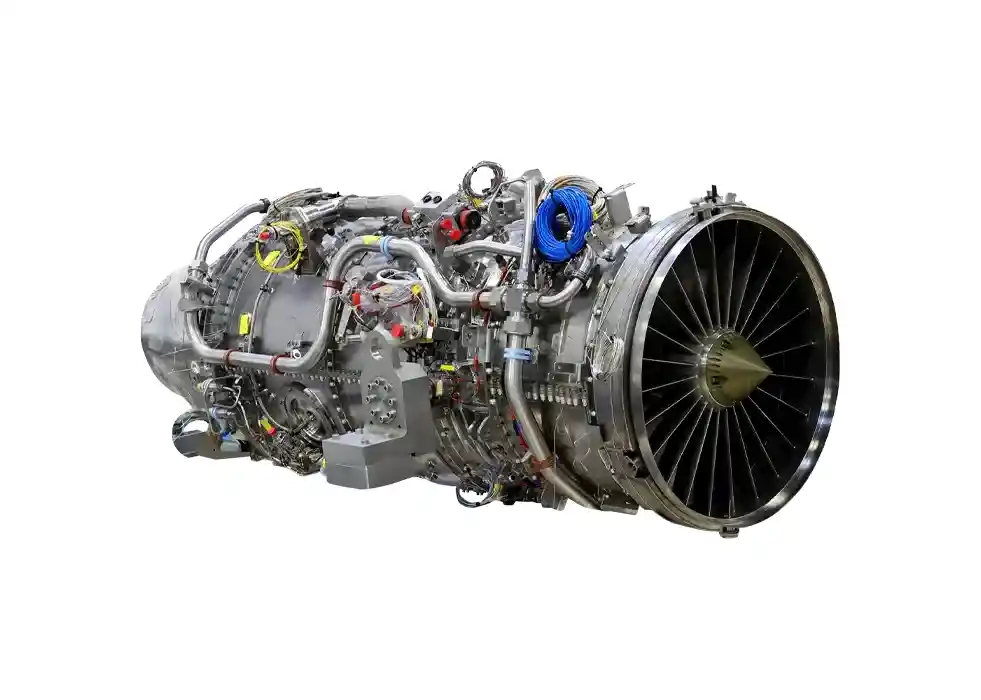
That timeline intersects directly with Türkiye’s stated ambition to transition KAAN toward a fully indigenous propulsion solution in the early 2030s. Turkish Aerospace leadership has pointed to a 2032 timeframe for domestic engine integration, with TUSAŞ Engine Industries’ TF35000 programme positioned as the long-term powerplant. More explicitly, TUSAŞ General Manager Mehmet Demiroğlu stated only days ago that the TF35000 engine is planned to be integrated into the aircraft in 2032. In parallel, the agreement between Türkiye and Indonesia clearly notes that aircraft delivered from 2035 onwards are expected to incorporate a Turkish-developed engine. Taken together, this suggests that KAAN is being presented not as a static platform, but as one intended to mature materially across the delivery window.
ITAR and CAATSA sit at the centre of this discussion as political and governance frameworks rather than purely technical hurdles. The US put CAATSA sanctions on Türkiye's defence procurement authority in 2020 after Türkiye bought the S-400 system. This shows how rapidly political changes may lead to licensing risk and supply-chain problems. Türkiye's focus on localisation in propulsion, avionics, and other important subsystems shows that it is sticking to its long-term strategy rather than changing its short-term stance.
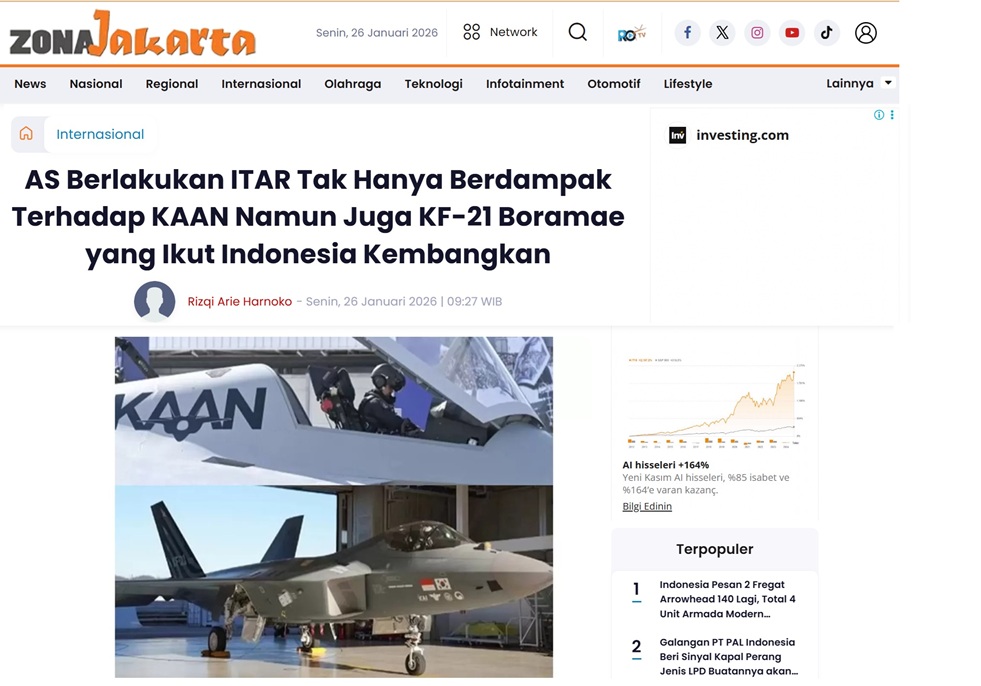
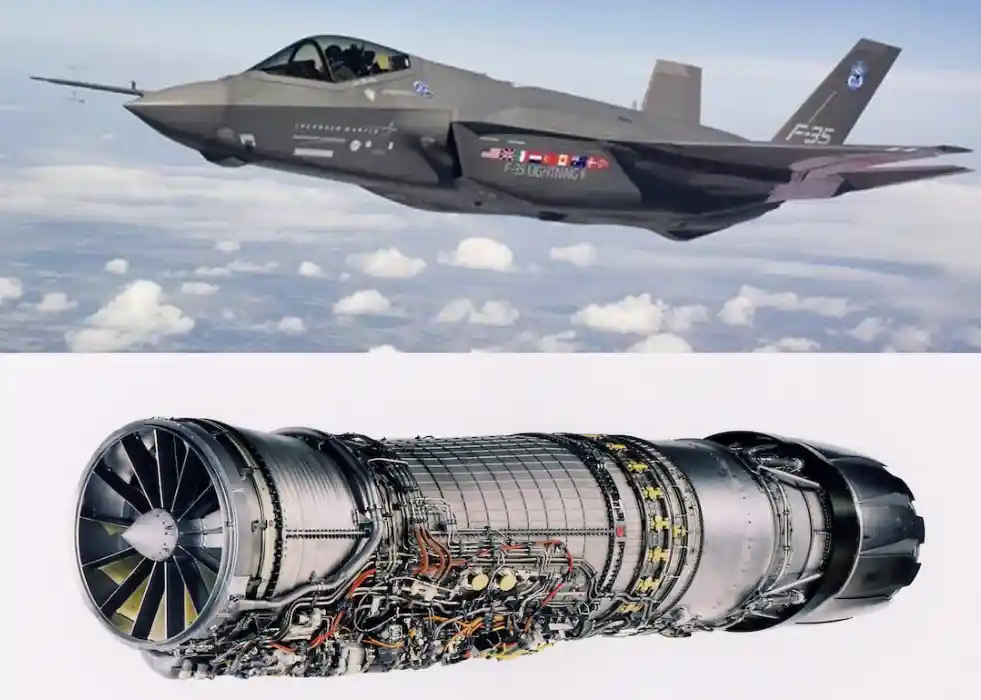
The fact that ZONAJAKARTA includes KF-21 makes the discussion even more about comparisons. Even though it is called a national fighter for the Republic of Korea, the KF-21 is not totally sovereign when it comes to propulsion. Its basic GE414 engine is still made in the U.S. and is subject to U.S. export controls, no matter where it is put together or how its performance is improved over time. The Republic of Korea's aerospace industry, which includes Korea Aerospace Industries, is closely linked to the U.S. military system.
Against this backdrop, KAAN’s export-control profile appears structurally different. Türkiye has openly stated its intention to reduce externally controlled critical subsystems over time, and Indonesia’s long-horizon delivery schedule provides space for that evolution to be reflected in later batches.
Questions about Indonesia’s parallel interest in U.S.-made fighters fit naturally into this diversification logic. The F-15EX is a U.S. Boeing platform, and procuring it means knowingly entering an ITAR-governed relationship through a defined approval pipeline. KAAN, by contrast, is often discussed as a complementary track — one that broadens the high-end options available while shaping long-term dependency profiles. Türkiye’s own experience, pursuing F-16 Viper and F-35A pathways alongside indigenous development, illustrates how diversification can coexist with sovereign capability building.
Indonesia’s reported consideration of China’s J-10 alongside Western options reinforces that its decision space is not binary. Jakarta is balancing capability, timing, financing, industrial participation and political conditions across multiple tracks.
In that context, the KAAN discussion is less about meeting an absolute threshold today than about managing dependency across a multi-decade timeline — a distinction that matters more in procurement practice than in headlines.
Author: Özgür Ekşi