Admiral Ercüment Tatlıoğlu, Commander of the Turkish Naval Forces, declared that Türkiye intends to build and export MİLDEN submarines and build a nuclear-powered submarine during an interview with Warships International Fleet Review.
In the interview by Cem Devrim Yaylalı, Tatlıoğlu detailed the future vision of the Turkish Navy.
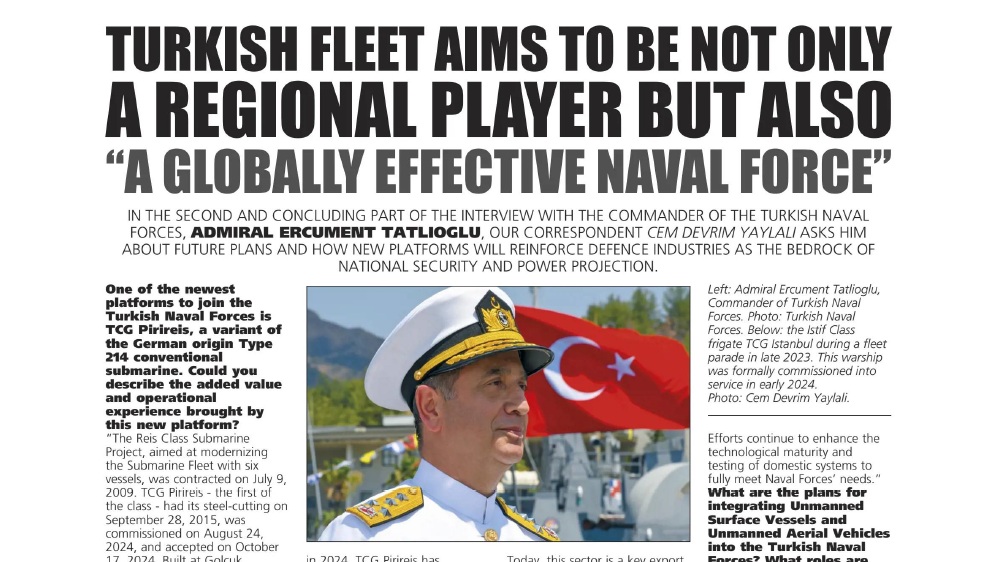
The magazine had previously published the first part of the interview in March; the second part elaborated on the Navy’s strategic goals.
Tatlıoğlu provided detailed insights into the Reis Class Submarine Project, stating that it is equipped with advanced sonar, satellite communication, and a floating antenna, highlighting the class, which improves capabilities in mine-laying and Special Forces operations. They can stay submerged for 14 days, hence increasing endurance and stealth, using an Air-Independent Propulsion, or AIP, Fuel Cell technology. Tatlıoğlu states, “Domestically produced liquid hydrogen supports the AIP system. The introduction of six Reis Class submarines lowers the fleet’s average age, enhancing maintenance and operational effectiveness. Armed with Akya torpedoes, Atmaca and Gezgin missiles, and Malaman mines, the class achieves full localisation in weaponry.”
Plans for Unmanned Systems in the Turkish Navy
Regarding the integration of unmanned aerial and surface systems into the fleet, Tatlıoğlu emphasised:
“With the advancement of technology, unmanned systems are increasingly supporting manned platforms, eliminating the risk of loss of life and skilled personnel while significantly extending the operational reach of manned platforms through their advanced sensors and systems.
The Turkish Naval Forces have identified the integration of unmanned systems as a priority to enhance maritime security, improve operational effectiveness, and minimise the risk of human casualties.
These systems, whose operational capabilities are advancing rapidly through Artificial Intelligence algorithms and sensor fusion, are progressing towards a stage where they can autonomously execute many intermediate decisions and operations while keeping humans in the highest tier of the decision-making cycle for ethical considerations.
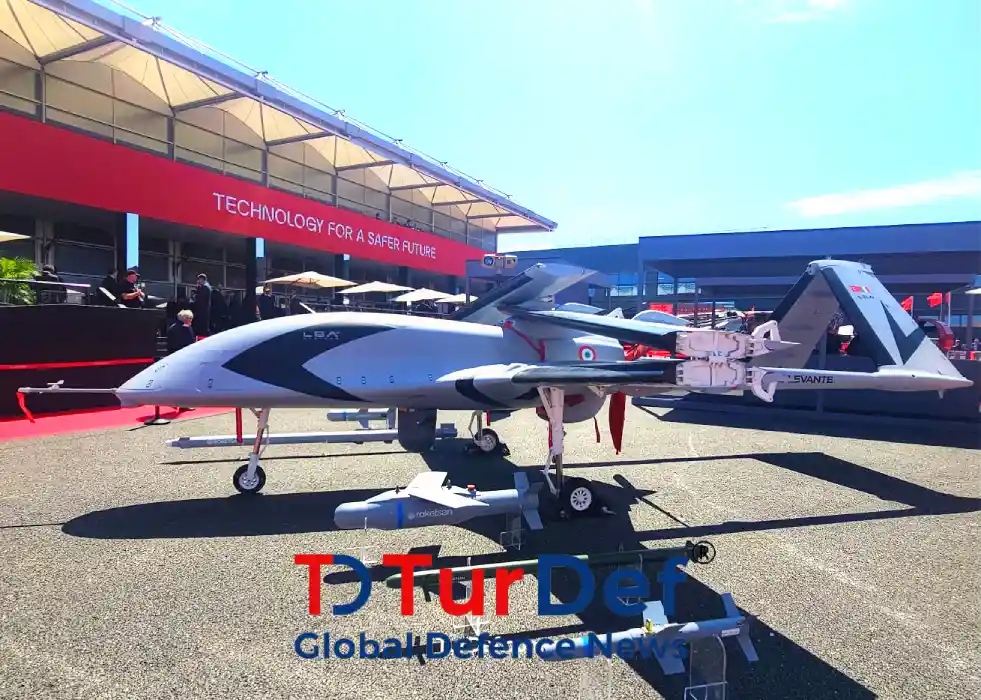
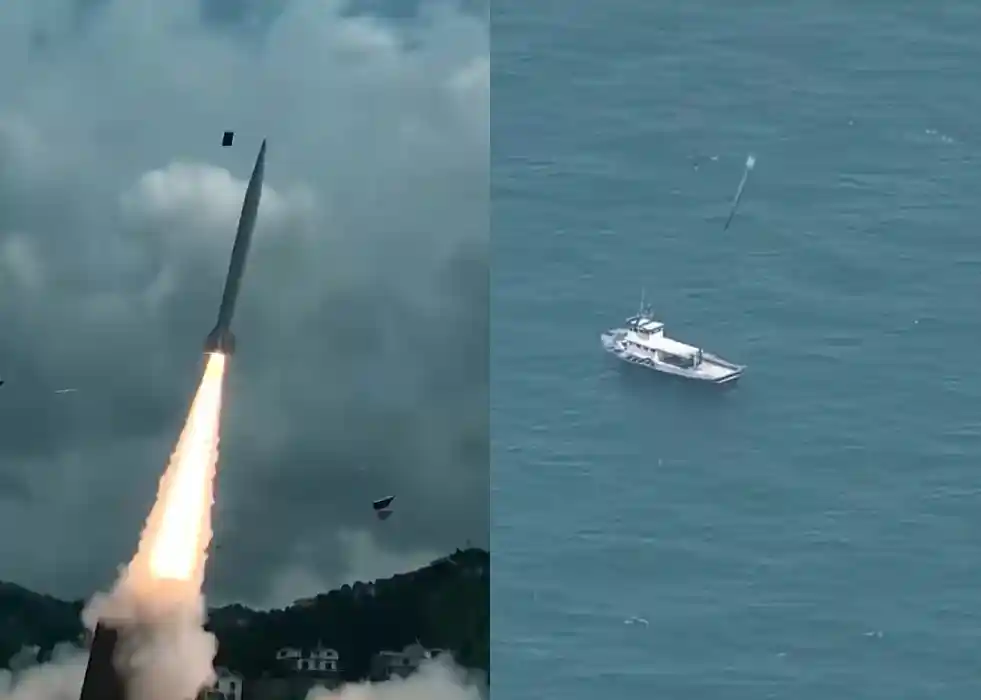
Currently, UAVs such as Bayraktar TB2, Akıncı and Aksungur are capable of successfully conducting reconnaissance, surveillance, target designation, and strike missions against surface and land targets for the Turkish Naval Forces.
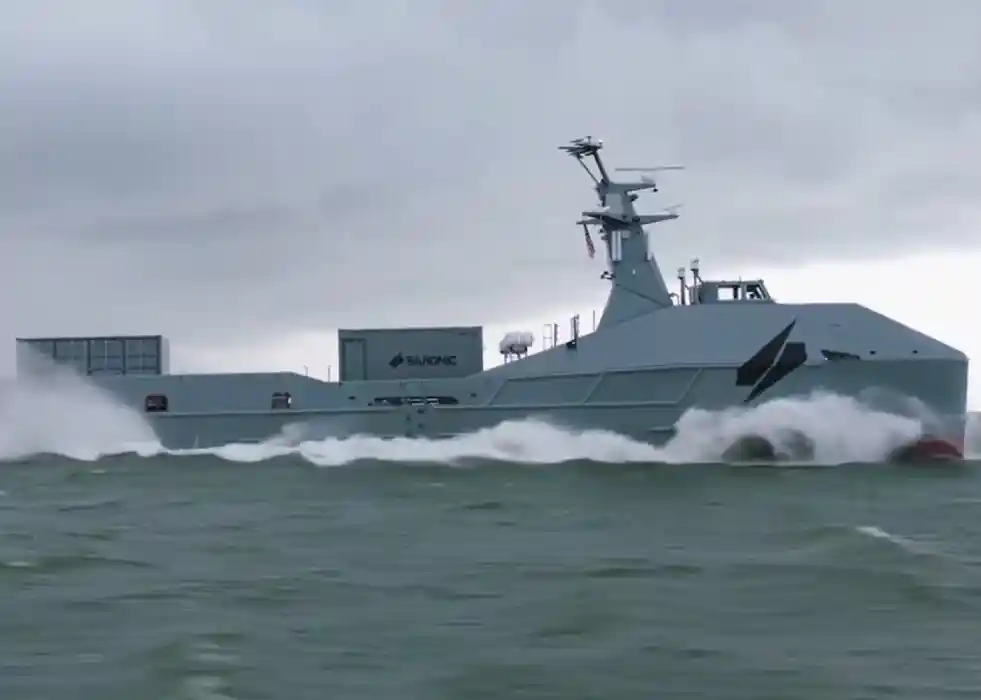
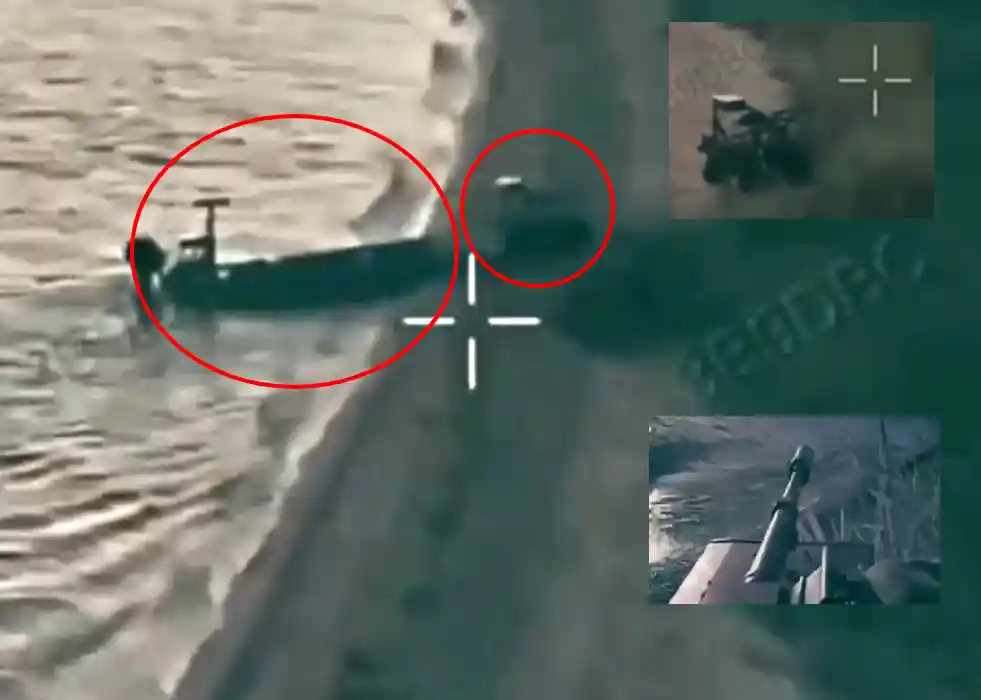
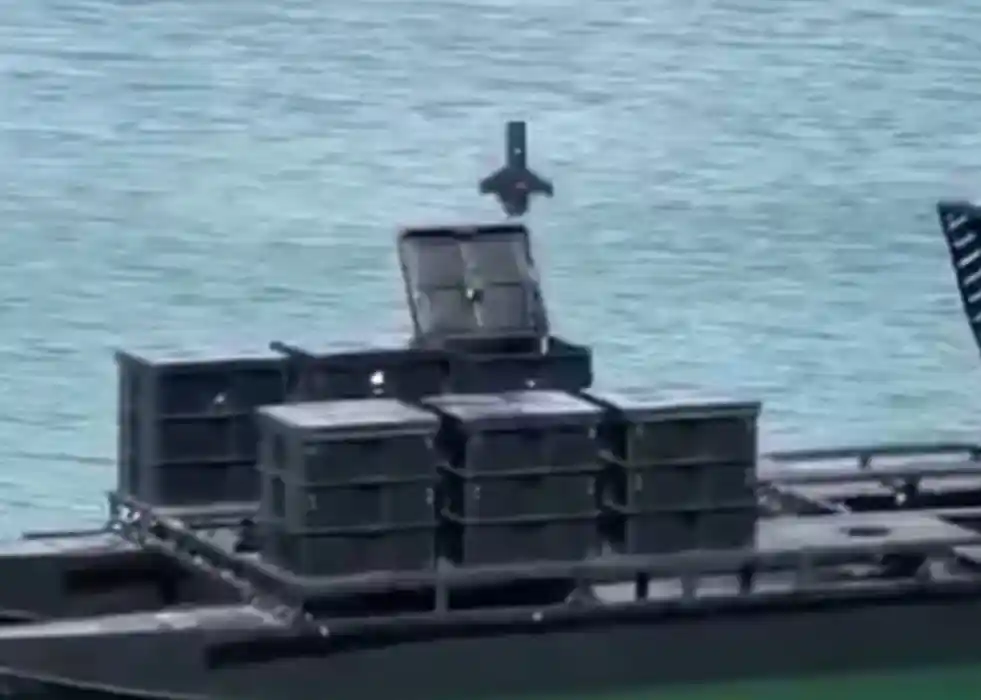
The Turkish defence industry has also accelerated the development of Unmanned Surface Vessels for naval applications. USVs provide cost-effective capabilities in base and port defence, reconnaissance and surveillance, mine warfare, Electronic Warfare, Anti-submarine Warfare and surface warfare. Additionally, the inventory and planned acquisition of Kamikaze USVs will serve as a significant deterrent force for our Navy.”
Turkish Navy to Construct and Export MİLDEN Submarines
On the long-anticipated National Submarine (MILDEN) and TF-2000 destroyer projects, Tatlıoğlu stated:
“Building a submarine that meets all our operational needs, with a design and construction process entirely under our control, free from foreign dependency, has been a national aspiration for 139 years.”
Tatlıoğlu outlined the expectations for the MILDEN project as minimising submarine dependency and enhancing indigenous systems.
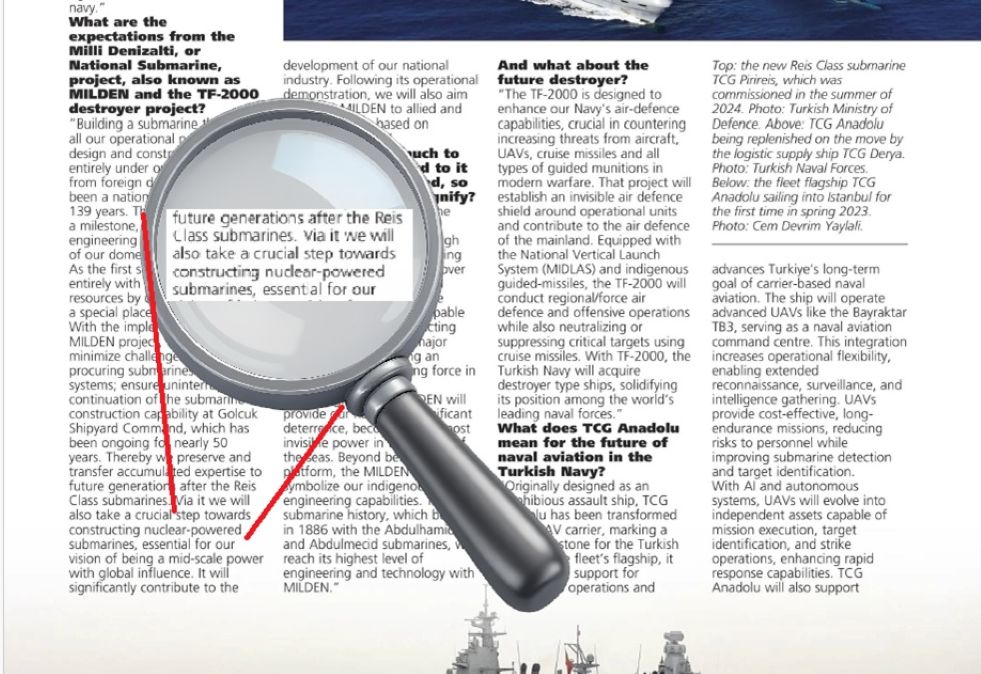
Turkish Navy’s Nuclear Submarine Aspirations
Ensuring uninterrupted construction with a submarine construction capability at Gölcük Shipyard Command, which has been ongoing for nearly 50 years. Therefore, we preserve and develop the submarine base for future generations after the Reis Class submarines. Via it we will also take a crucial step towards constructing nuclear-powered submarines, essential for our long-term submarine deterrence capability and vision of being a mid-scale power with global influence. Following its operational demonstration, we will also aim to export MILDEN to allied and friendly nations based on national interests.”

TurDef underlines that MİLDEN not only is a step towards nuclear submarines but also for broader submarine-based land attack capabilities, as ASFAT has shown the submarine with vertical launch cells during SAHA EXPO 2024. A previous statement from ROKETSAN's Launcher Systems Manager Mustafa Özdemir's statement regarding a MİDLAS variant for submarines during Euronaval 2024 solidifies the plans to equip MİLDEN with vertical launch cells.
Tatlıoğlu continued his words with the future destroyer class TF-2000, where he noted:
“The TF-2000 is designed to enhance our Navy’s air-defence capabilities, which are crucial in countering increasing threats from aircraft, UAVs, cruise missiles, and all types of guided munitions in modern warfare. The project will establish an invisible air defence shield around operational units and contribute to the air defence of the mainland. Equipped with the National Vertical Launch System (MIDLAS) and indigenous guided-missiles, the TF-2000 will conduct regional-force air defence and offensive operations while also neutralising or suppressing critical targets using indigenous vertical systems. The Turkish Navy will acquire destroyer-type ships, solidifying its position among the world’s leading naval forces.”

Turkish Navy from Pacific Ocean to Mediterranean Sea
Lastly, Tatlıoğlu shared Turkiye’s broader naval modernisation strategy:
“Turkiye’s naval modernisation efforts will not only strengthen the regional security environment but will also significantly extend its influence into the Indian Ocean, Red Sea, and Pacific regions. Projects like the National Aircraft Carrier, MILDEN submarines, TF-2000 destroyers, I-class frigates, Hisar-class patrol vessels, Reis-class submarines, and expanding UAV fleets are pillars of this transformation.
Through these platforms:
Turkiye aims to be among the world’s top five naval air forces.
Extend operational range over 500 nautical miles.
Maintain a strategic presence from the Mediterranean to the Pacific Ocean.
Reinforce the Blue Homeland doctrine and secure sovereign maritime rights.
Developed with national resources, these projects serve as a guarantee for Turkiye’s future as a globally effective naval power.”

TurDef had brought up the subject of nuclear submarines earlier where Turkish Naval Forces Magazine (Deniz Kuvvetleri Dergisi), an article titled “The Impact of Nuclear-Powered Submarines on the Theatre of War” examined the historical and global applications of nuclear submarines.
Author : Özgür Ekşi
Editor: Kaan Azman