Turkiye’s flagship fifth-generation fighter aircraft project, KAAN, continues attracting international attention. With its emphasis on advanced technologies and strategic industrial partnerships, the project has become more than a weapons platform—it is a vehicle of diplomatic engagement. Among the countries showing clear interest in recent months is Indonesia.
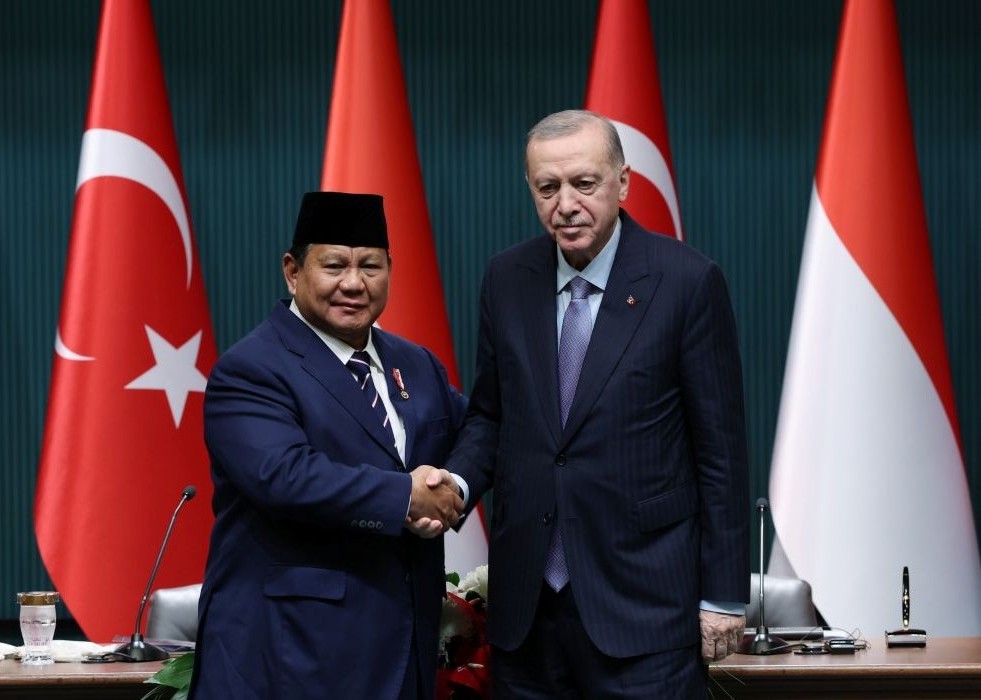
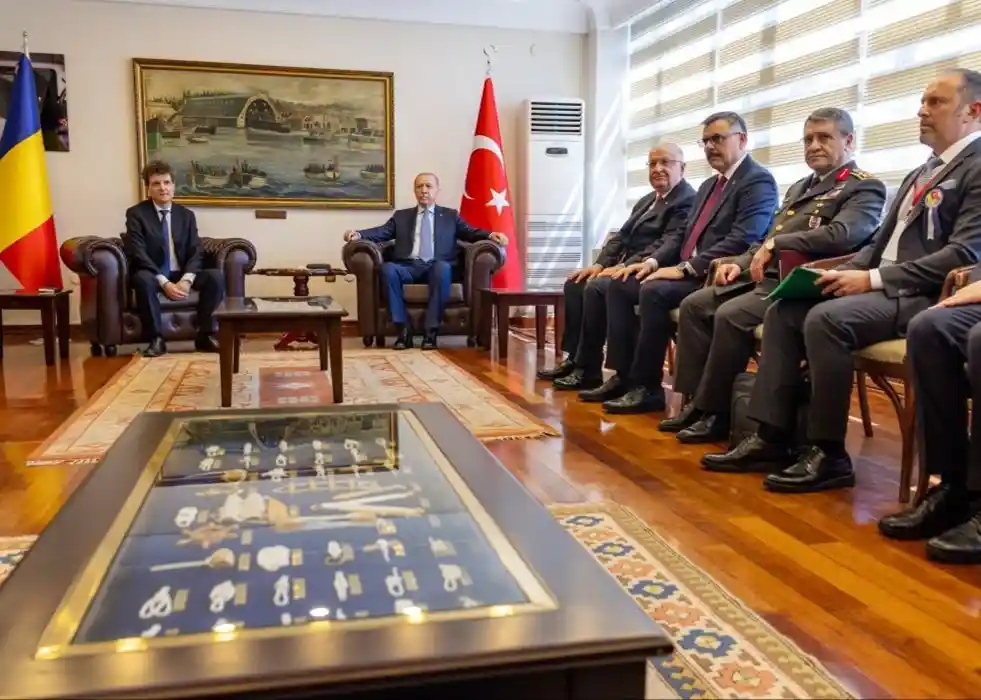
During his official visit to Turkiye, Indonesian President Prabowo Subianto engaged in in-depth discussions concentrating on military cooperation.
He publicly expressed Jakarta’s intent to partner with Turkiye on high-tech projects: “We reached consensus on areas for joint ventures. Our strategic and defence companies will sign the necessary agreements. Indonesia wants to be part of the fifth-generation national combat aircraft project, KAAN. We also want to cooperate with Turkiye’s defence industry in submarine projects. We exchanged views on these matters.”
Defence industry to spearhead economic ties
Defence collaboration has emerged as the cornerstone of Turkiye–Indonesia bilateral relations, with the two countries aiming to reach a trade volume of US$10 billion. Besides the military, bilateral investment and technological transfer are also prioritised in industries like energy, building, healthcare and agriculture.
This increasing drive followed President Recep Tayyip Erdoğan’s mid-February visit to Indonesia, which set the basis for deeper relations. Since then, business leaders from both nations have restated their desire to further collaboration along the strategic path described by their individual presidents.
Nuri Doğan Karadeniz, Chairman of the Turkiye–Indonesia Business Council within DEİK, claims bilateral commerce has already surpassed US$3 billion and has great room to expand.
“Indonesia is effectively the locomotive of ASEAN. Given its proximity to China, Malaysia and the Philippines, it could serve as a strategic hub for Turkiye. Very few countries in the region collaborate with Turkiye at this scale,” Karadeniz said.
Why is Indonesia interested in KAAN?
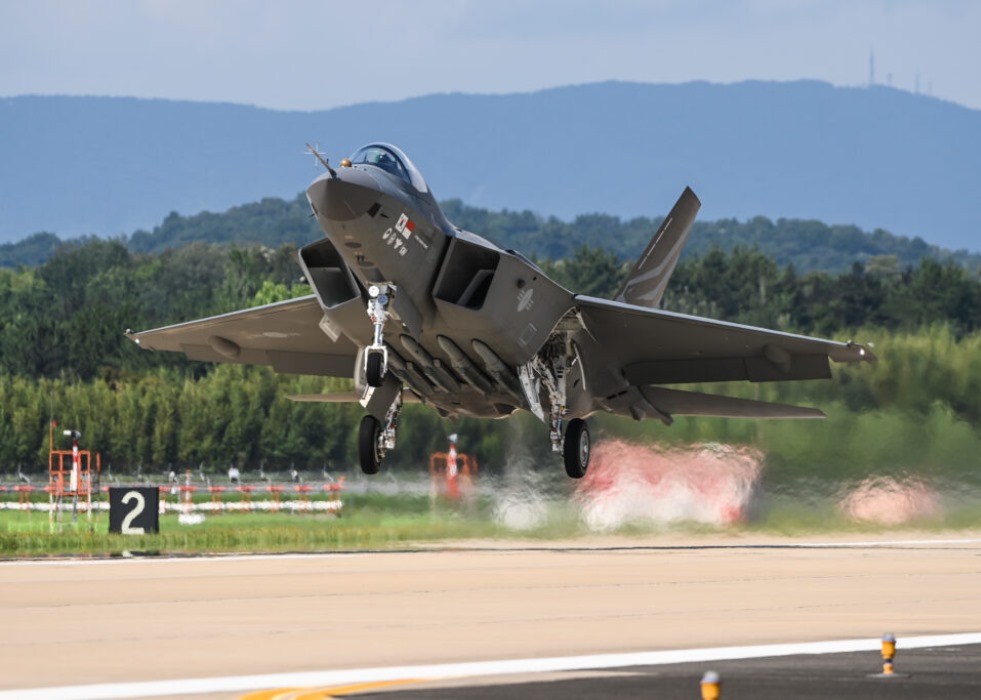
Indonesia’s procurement policy for fighter jets has become increasingly diversified in recent years. As the only foreign partner, one of its most notable initiatives was joining the Republic of Korea’s KF-21 Boramae fighter aircraft project in 2016. The deal stipulated that Indonesia would provide around US$958 million—20 per cent of the whole development cost—in return for access to technical information and 48 planes. The initiative, meanwhile, was quickly fraught with difficulties. Financial limitations caused Indonesia to stop payments from 2019 until the end of 2022; by 2023, the Defence Acquisition Programme Administration (DAPA) of the Republic of Korea verified that Jakarta had not yet suggested a specific payback strategy.
Worsening the relationship were worries about technology sharing and internal probes connected to unauthorised data transfers, including those of Indonesian engineers. Indonesia suggested cutting its financial contribution to 600 billion won (about US$442 million) in 2024, limiting its access to technological transfers. By early 2024, the Republic of Korea had not made a final decision despite continuous talks.
Compounding matters, the Republic of Korean media reported that of ten formal letters sent to Jakarta regarding the programme, only three received any form of response.
Indonesia’s mixed track record in the KF-21 project has cast doubt over its long-term commitment to co-development initiatives—yet also underscores the appeal of alternative frameworks that are more adaptable and responsive to its needs.
Meanwhile, Jakarta explored other options. Indonesia’s Ministry of Defence signed a memorandum of agreement with Boeing in August 2023 to purchase 24 F-15EX Eagle II combat planes. These planes will likely be classified as “F-15ID” in the Indonesian Air Force stock. The deal’s total stated value is about US$13.9 billion. Although this is a major advance, no clear contract has been revealed, and the degree of financial commitment has generated national discussion about sustainability and long-term support.
France made progress more obvious. As part of its air force upgrading programme, Indonesia chose to buy 42 Rafale fighter planes from French manufacturer Dassault Aviation.
All 42 aircraft are to be delivered in the Rafale F4 configuration. Deliveries are scheduled to begin in 2026, with one aircraft expected to be handed over each month following the delivery of the initial six. While the structured procurement plan provides predictability, the deal’s multibillion-dollar scale continues to raise concerns in Jakarta about long-term sustainability and the associated logistics and munitions integration.
Indonesia also looked on its own about buying second-hand Mirage 2000-5 planes from Qatar. Aimed for rapidly closing operational gaps, this low-cost option was finally compromised by worries about airframe age, upgrade needs, and reliance on French technical support.
Against this backdrop, KAAN presents a model that aligns more closely with Indonesia’s emerging defence strategy. Rather than a simple buyer-seller relationship, Turkiye offers a co-development and technology-sharing framework. Such flexibility allows Indonesia to go beyond procurement and participate directly in the development and production chain.
Moreover, Indonesia’s trust in Turkiye’s defence sector has grown recently. Several Turkish defence companies have already engaged with Indonesia on various land and naval projects—not merely as suppliers but as co-designers and co-producers. Joint initiatives in vehicle manufacturing, naval systems integration, and command-and-control technologies have laid a foundation of cooperation that extends beyond procurement into industrial collaboration. With expectations of sustained logistical, maintenance and munitions support, a partnership with Turkiye is increasingly viewed as a more balanced and transparent alternative to other options. Following its difficulties with the KF-21 programme, Indonesia’s pivot to KAAN appears logical and strategic.
Including the U-214TN, MıLDEN, and STM500, Turkiye’s several submarine initiatives have piqued Indonesia’s attention. Built under German licence, the U-214TN class submarines are a tested, export-oriented design with enhanced AIP (Air-Independent Propulsion) capabilities.
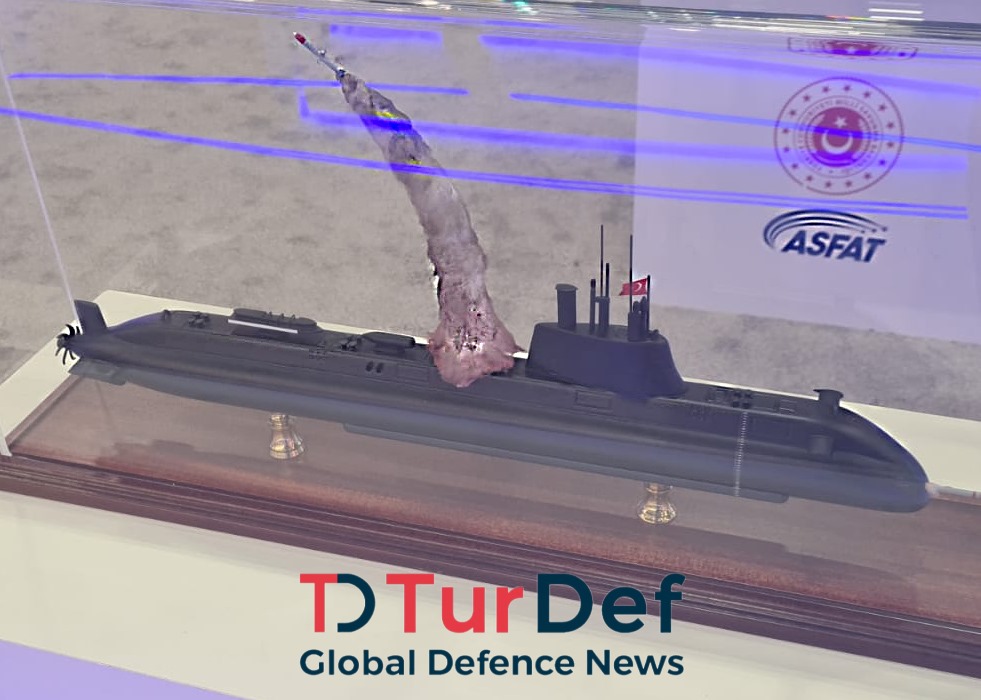
In contrast, the MİLDEN (National Submarine Project), overseen by ASFAT, is Turkiye’s first fully indigenous submarine programme and is expected to feature vertical launch systems (VLS) capable of launching cruise missiles from underwater—a strategic leap for Turkiye’s naval industry. Meanwhile, STM has long expressed keen interest in Southeast Asia and aims to promote its STM500 design, a compact and modular submarine tailored for shallow water operations and special forces deployment.
Within this context, it would also not be surprising if TUSAŞ’s Gökbey utility helicopter—already in production and undergoing export promotion—becomes another platform of interest in Turkiye–Indonesia defence talks.
Broader international interest in KAAN
Indonesia is not the only country interested in Turkiye’s fifth-generation fighter programme. Azerbaijan has publicly expressed its support for KAAN, with officials visiting Turkish Aerospace (TUSAŞ) facilities during prototype rollout activities. Pakistan has also signalled strong interest, both as a potential user and possible co-developer. While not explicitly naming KAAN, Saudi Arabia has hinted at its interest in fifth-generation fighter technologies during recent high-level defence talks with Turkiye. These developments underscore the platform’s growing visibility as a hub for multinational collaboration in next-generation air combat. It is already in production and undergoing export promotion and has become another platform of interest in Turkiye–Indonesia defence talks.
Author: Özgür Ekşi